On a sunny Tuesday afternoon in June, Cannes Lions attendees gathered at Spotify Beach to hear a conversation about the risks, relevance and rewards of using attention data in brand marketing. The panelist were:
- Moderator: Mike Follett, CEO, Lumen Research
- Art Valkenburg, Group VP, Media & Digital Transformation, Carlsberg
- Henna Mertsola, Director, Global Marketing & Media, Carlsberg
- Chris Farrow, Global Client President, iProspect
- Bridget Evans, Head of Business Marketing, Spotify
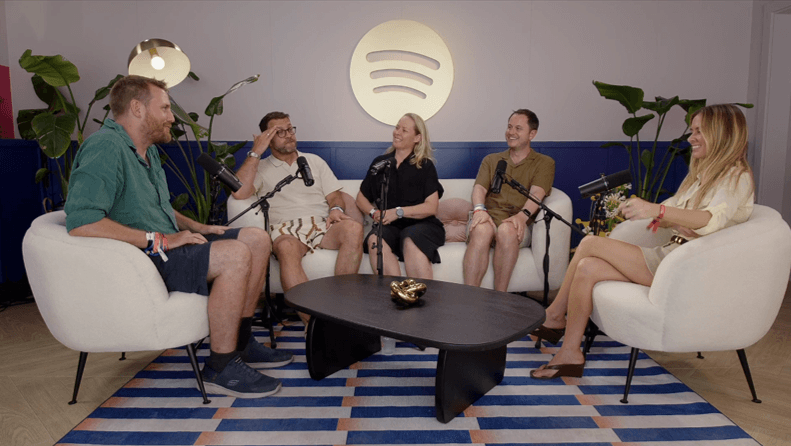
Working with iProspect, beverage brand Carlsberg has built on the expansive attention research gathered by Lumen Research to grow its media strategy.
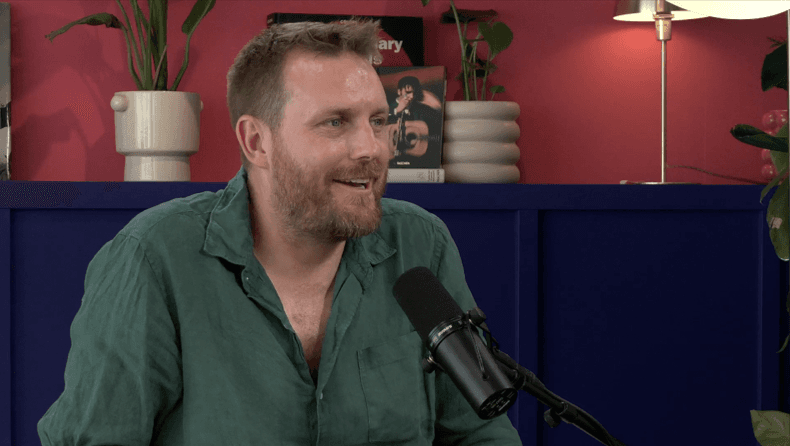
Mike started the conversation by directing his first question toward Art: Investing in media involves taking risks to drive future growth. What led [Carlsberg] to take some interesting risky decisions?
Art with Carlsberg: Carlsberg has a growth culture that stimulates risk. The company has been on a transformation journey the last few years started with new leadership taking a fresh look at consumer behavior and demand shifts across beverages and taking some calculated risks especially in marketing.
“From marketing POV we have now invested more aggressively in capabilities around creativity, media, consumer insights, data, and technology. We’re trying to build these capabilities into a scalable model that empowers our entire multi-beverage business across our markets.”
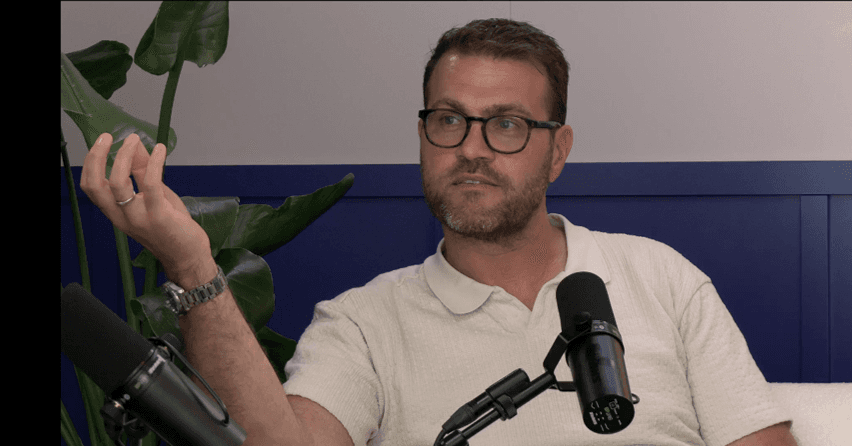
“Being here at Cannes, creativity, media, consumer insights, and data feels particularly relevant to how do we build iconic brands that actually create memorable experiences and brand saviors.”
Mike: In a time of flux, you have to do something different, take some risks.
Henna with Carlsberg: In the midst of the turmoil in today’s media industry, we need to find something to anchor on. “Attention is one of those [things], and it’s a proven one.”
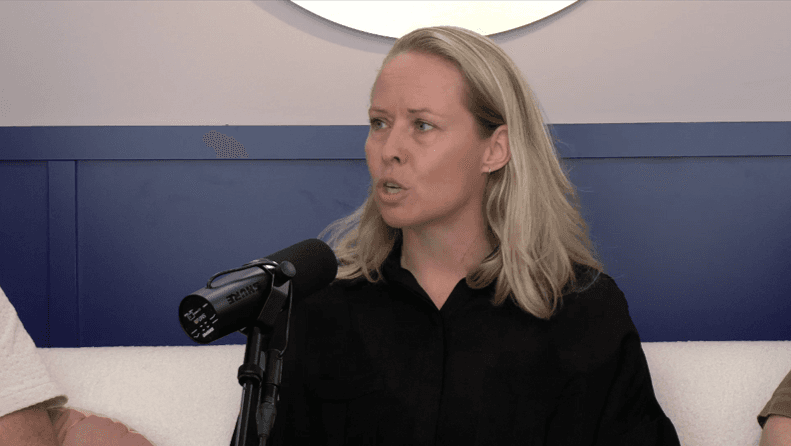
You want people to see your ads. “How can we ensure that? That’s where attention comes in. It just makes sense and it’s one that we can use across markets, brands and different maturity levels. It’s the one metric we can link everything to.”
The panelists agreed success has come from calculated risks taken jointly by Carlsberg and iProspect based on early groundbreaking attention data gathered by Lumen Research.
Chris with iProspect: Early positive results reassured leadership and led to robust, data-led smart conversations. “[Carlsberg] made some big bets around where to invest in terms of expanding the datasets working with Lumen to ensure all markets were covered on that attention journey.
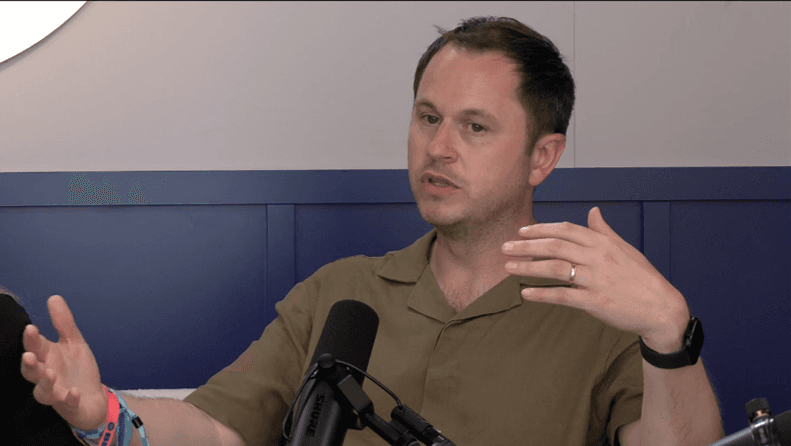
“And then you start to see a breadth of datasets [and] genuine insights you could feed back to multiple stakeholders.” As those stakeholders would get onboard, “it gave everyone a confidence in the business to start talking about attention.”
Mike: What have you learned?
Chris: Regarding brand heritage, “[T]here is actually a Carlsberg Effect where you can outsmart competitors rather than outspend. That knowledge that your heritage brands have an impact and people understand who your brand is is incredibly powerful.”
Henna: “For us to really change and accelerate how we do things we needed our own proof points. To get that competitive advantage, it wasn’t doing one research or two. The big risk was to go big, all in, and getting that big data” to understand how it works.
Mike turned to Bridget with Spotify: It’s in your interest to create inventory that delivers amazing attention but also you do a lot of work to understand the broader issue of attention anyway, don’t you?
Bridget: “A lot of brands and advertisers want to be on Spotify because of the cultural relevancy, so we have to do our own research. We, too, have been leaning into attention.
“The biggest thing I’ve come to understand with Spotify and what our attention delivers is that our audience has greater intent because of attention.
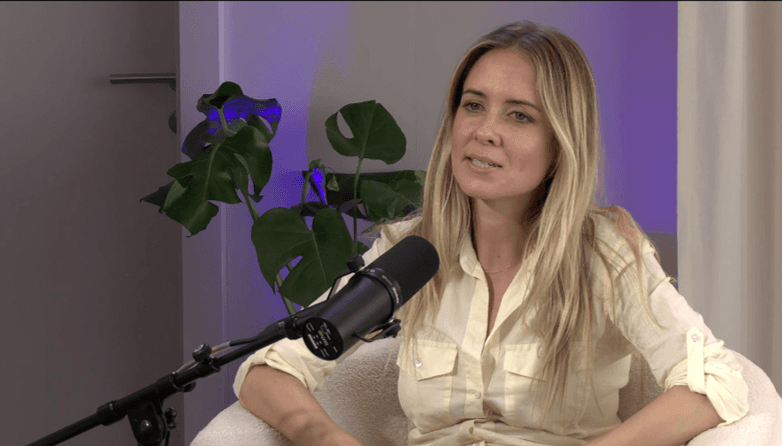
“We have been able to validate attention; it’s that emotional engagement. [Listeners] are so attentive because they are plugged in, they have certain feelings when they are on Spotify. That could be listening to a podcast, it could be a learning moment, it could be news or it could be ‘I’m feeling something right now and want to listen to this album over and over.’ And when you are that plugged in there is greater attention. Humans are more receptive to what they’re hearing; there is more memory associated with that.”
The conversation continued with the panel discussing ways brands can convert attention research to marketing strategy.
- How much attention do you need to create short-term impact? Long-term impact?
- How do we balance depth of attention vs. volume of attention?
- How do we build systems and organizations that are focused on the effectiveness of our marketing work? How do we manage two advertising time frames and build a media plan that addresses both short-term performance-driven media (making a purchase today) and long-term brand building?
- How can you use your data to maximize the impact of media and creative on attention?
The panel closed with a round-robin question: What is the one thing you have learned from your own attention journey?
To hear their responses, watch the video.
For more from dentsu @ Cannes, click here.